Technologies and Trends Transforming the Landscape of Aluminum Foundry Procedures
The aluminum foundry sector is going through considerable adjustments due to technological improvements. Automation, expert system, and sustainable methods are at the forefront of this transformation. These advancements assure to enhance efficiency, enhance manufacturing processes, and reduce ecological impact. As these fads remain to evolve, they elevate vital questions concerning the future of aluminum manufacturing and its duty in different industries. What ramifications might these adjustments hold for the marketplace and its stakeholders?
Advanced Automation in Aluminum Foundries
As the need for high-grade and efficient aluminum items continues to increase, numerous foundries are increasingly embracing advanced automation modern technologies. aluminum casting company. These technologies simplify various procedures, improving productivity and minimizing labor prices. Robot systems, as an copyrightple, are utilized for tasks such as mold handling, putting, and ending up, ensuring consistency and precision
Automated quality control systems are also becoming usual, employing sensors and video cameras to discover flaws in real-time, consequently decreasing waste and remodel. Additionally, the integration of programmable reasoning controllers (PLCs) permits better surveillance and control of assembly line, helping with quicker modifications in action to transforming demands.
The use of automated led vehicles (AGVs) maximizes product transport within the foundry, additional boosting functional efficiency. Through these improvements, aluminum foundries are not only fulfilling market demands yet also placing themselves as leaders in sustainable manufacturing methods.
The Role of Expert System in Production Optimization
Advanced automation technologies have actually set the stage for the combination of expert system (AI) in aluminum foundries, significantly improving production optimization. AI systems evaluate large amounts of data generated throughout the manufacturing process, offering understandings that result in improved performance and lowered waste. These systems can recognize patterns and trends that human drivers might neglect, making it possible for predictive upkeep and positive decision-making.
Additionally, AI formulas optimize casting processes by adjusting parameters in real-time, guaranteeing the best output while minimizing issues. The implementation of artificial intelligence in high quality control processes likewise improves accuracy, as AI can rapidly analyze product requirements versus established requirements.
Eventually, the fostering of AI in aluminum foundries not just enhances operations however likewise encourages workforce capacities, enabling for a more receptive and nimble production environment. By taking advantage of these sophisticated modern technologies, foundries can accomplish considerable gains in productivity and operational excellence.
Lasting Practices and Their Effect On Environmental Footprint
Exactly how can aluminum foundries effectively reduce their ecological impact while maintaining performance? One vital technique is the fostering of lasting methods, that include recycling scrap aluminum to lessen waste and preserve power. By using closed-loop systems, foundries can substantially decrease their dependence on virgin materials, consequently decreasing carbon discharges related to removal and handling.
Moreover, applying energy-efficient innovations, such as advanced melting furnaces and warmth recuperation systems, can considerably lower power usage. Changing to renewable resource sources further enhances sustainability, allowing foundries to operate with a minimized ecological impact.

Smart Production Technologies Enhancing Effectiveness
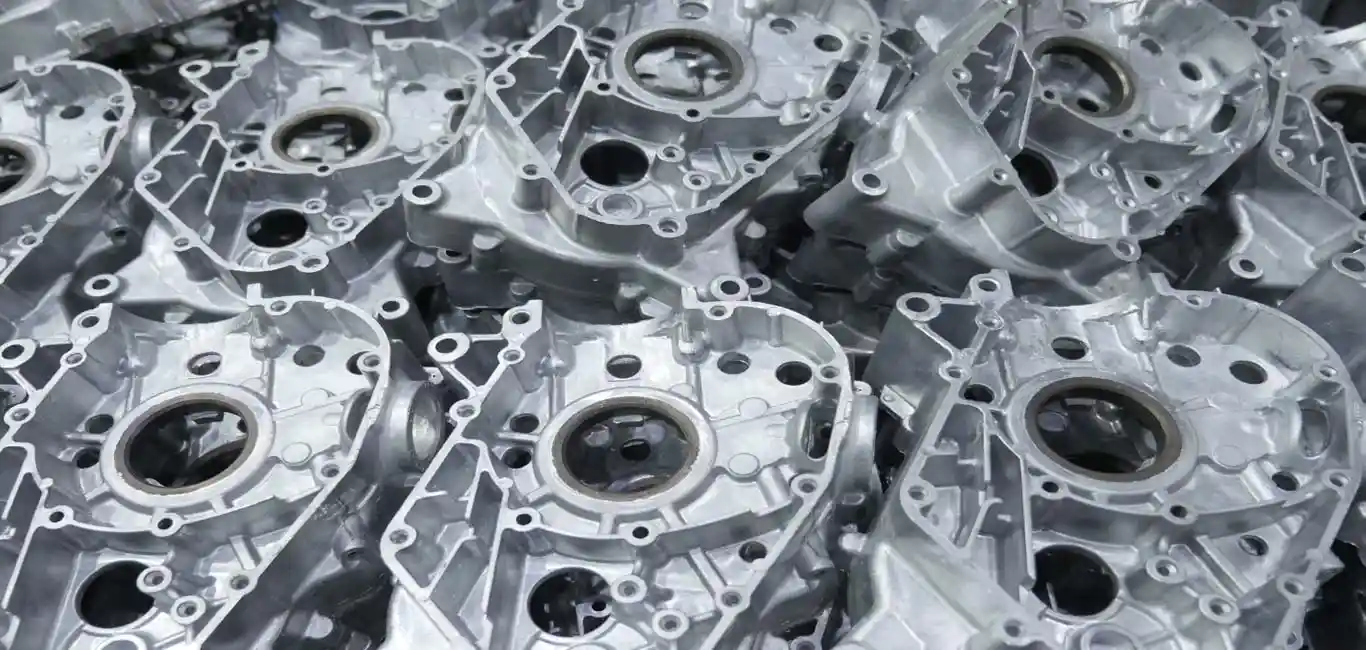
Robotic systems improve repeated jobs, making certain constant quality while releasing human employees to concentrate on even more complicated duties. Additionally, IoT connection helps with seamless communication throughout the assembly line, enhancing control and responsiveness to market needs. Consequently, aluminum foundries can attain greater throughput and boosted quality assurance, positioning themselves competitively in a rapidly developing industry landscape. The adoption of these smart technologies signifies a transformative shift towards performance and technology in foundry procedures.
The Future of Lightweight Aluminum Products in Various Industries
As industries progressively prioritize sustainability and performance, the demand for lightweight aluminum items is forecasted to grow substantially. This change is especially noticeable in fields such as vehicle, aerospace, and building, where decreasing weight straight adds to enhanced fuel performance and lower emissions. Suppliers are introducing in aluminum alloys and construction techniques to create components that are not just lighter however additionally more powerful and a lot more long lasting.
The auto sector, for instance, is embracing aluminum to fulfill rigorous fuel economic climate criteria while keeping safety and efficiency. Aerospace firms are leveraging light-weight aluminum to enhance airplane efficiency. In construction, aluminum's adaptability permits cutting-edge designs that reduce product usage without endangering structural integrity.
As modern technology developments, consisting of the integration of smart manufacturing and recycling processes, the future of light-weight aluminum products appears bright, appealing to support a much more lasting and reliable commercial landscape.
Often Asked Concerns
What Are the Main Difficulties Dealing With Aluminum Foundries Today?
Aluminum foundries today deal with obstacles such as climbing energy expenses, environmental guidelines, labor lacks, competition from sophisticated production modern technologies, and the need for boosted sustainability practices to satisfy market needs and customer assumptions successfully.
How Does Aluminum Recycling Influence Foundry Workflow?
Light weight aluminum recycling substantially impacts foundry procedures by reducing raw material expenses, promoting sustainability, and boosting production efficiency. It enables foundries to minimize click over here now waste while fulfilling increasing need for environmentally friendly practices in the aluminum market.
What Accreditations Are Essential for Aluminum Foundries?
ISO 9001 for high quality monitoring, ISO 14001 for environmental administration, and AS9100 resource for aerospace standards are crucial accreditations for aluminum foundries. These certifications boost functional performance, guarantee item high quality, and promote lasting methods within the market.
Exactly How Do Labor Prices Affect Aluminum Foundry Productivity?
Labor expenses considerably impact aluminum foundry earnings, as higher salaries can minimize margins while efficient labor administration can improve productivity. Stabilizing these elements is vital for preserving competition and monetary health in the industry.
What Are Common Problems in Aluminum Castings and Their Causes?
Typical issues in aluminum spreadings consist of porosity, shrinking, and surface imperfections. These issues often develop from improper melting temperatures, inadequate mold style, and contamination throughout the casting procedure, ultimately impacting the top quality and efficiency of the end product.
Advanced automation technologies have set the stage for the assimilation of artificial intelligence (AI) in aluminum foundries, significantly boosting production optimization. aluminum foundry. Just how can aluminum foundries effectively reduce their environmental footprint while maintaining efficiency? While aluminum foundries encounter raising demands for performance and efficiency, the integration of smart production modern technologies offers an engaging solution. Light weight aluminum recycling substantially effects foundry operations by reducing raw material prices, promoting sustainability, and enhancing production effectiveness. Labor costs markedly impact aluminum foundry profitability, discover this as higher earnings can lower margins while reliable labor administration can boost productivity
Comments on “7 key facts about working with an aluminum casting company”